Your home gave you a lifetime of memories. Now let it give back.
A reverse mortgage can turn part of your home's equity into tax-free* cash — with no required monthly mortgage payment — while you keep living in and owning your home. Let's see if it's the right fit for you.
I'm exploring this for myself
You've worked hard for your home. See in plain language how a reverse mortgage works, what it could mean for your retirement, and whether it fits your goals — no pressure, no jargon.
Start with the basicsI'm helping a parent or loved one
You have good questions — Will they lose the house? Will I inherit debt? We answer them honestly below, and we welcome you into the conversation so the whole family can decide together.
Read the family guideWhat is a reverse mortgage, and how does it work?
This short explainer from Fairway walks through the Home Equity Conversion Mortgage (HECM) — the most common reverse mortgage and the only one insured by the federal government.
Official Fairway explainer. Prefer to read instead? Just ask Bill for the full transcript, or scroll on for the plain-language version.
A reverse mortgage, in plain English
A reverse mortgage is a loan for homeowners 62 or older who own their home outright or have a lot of equity. Instead of you paying the lender every month, the loan lets you draw from your home's equity — and repayment is deferred until you no longer live in the home.
You keep your home
Your name stays on the title. You continue to own and live in your home for as long as it's your primary residence and you meet the loan terms.
No monthly mortgage payment
There's no required monthly principal-and-interest payment. You do still pay property taxes, homeowners insurance, any HOA dues, and keep up the home.
Interest is added, not paid
Interest and fees are added to your loan balance over time, which grows. The balance is typically repaid when the home is sold.
You can't owe more than the home is worth
A HECM is a non-recourse loan. When it's repaid by selling the home, neither you nor your heirs owe more than the home's value — FHA insurance covers any shortfall.**
Your money, your way
Receive funds as a lump sum, a flexible line of credit, steady monthly payments, or a combination — whatever fits your plan.
Federally insured (HECM)
The most common reverse mortgage is the Home Equity Conversion Mortgage, insured by the FHA and available only through approved lenders like Fairway.
How the process works
There's a deliberate, consumer-protective path to a reverse mortgage. Here's what to expect — at your pace.
Learn & ask questions
Talk with Bill (bring your family). Get clear, honest answers and a no-obligation estimate of what you may qualify for.
Independent HUD-approved counseling
A required session with a neutral, HUD-approved counselor confirms you understand the loan. It protects you — and it's a step we encourage families to attend together.
Application & disclosures
Complete your application and review disclosures. A financial assessment confirms you can keep up with taxes, insurance, and upkeep.
Home appraisal
A licensed appraiser determines your home's value, which helps set how much you may be able to access.
Underwriting & approval
Fairway reviews everything and issues your approval. Many reverse loans close within about 30–45 days.
Closing & choosing your funds
Sign your final papers, then choose how to receive your money. After a short federally required right-to-cancel period, your funds are available.
Reverse mortgage estimator
Move the sliders to see a rough, illustrative idea of what a reverse mortgage might offer. This is a starting point for a conversation — not a loan offer.
Four ways to receive your money
Lump sum
A single fixed-rate payout at closing — useful for a large one-time need. In the first year, draws are generally capped at 60% of your principal limit (more if you're paying off an existing mortgage).
Line of credit
Draw only what you need, when you need it. The unused portion has a growth feature, so your available credit can increase over time.
Monthly payments
Steady deposits for a set term or for as long as you live in the home — a reliable income supplement.
A combination
Mix and match — for example, pay off your mortgage and keep a line of credit as a safety net.
Ways a reverse mortgage can help
Eliminate your monthly mortgage payment
Pay off your existing loan and free up cash flow every month.
Cover medical & long-term care
Help fund in-home care, medical costs, or long-term care so you can age in place.
Age-in-place home improvements
Fund a walk-in shower, ramp, or first-floor suite to stay in the home you love, safely.
Protect your retirement portfolio
Draw on a line of credit in down markets instead of selling investments at a loss.***
Bridge to age 65 / delay Social Security
Cover the gap before Medicare or let benefits grow by delaying.***
Buy a home (HECM for Purchase)
Right-size into a home that fits retirement — often with a larger down payment and no monthly mortgage payment.
Reverse mortgage loan options
Not every loan fits every situation. Bill will help you compare these honestly.
HECM
The federally insured Home Equity Conversion Mortgage. Flexible disbursement options, non-recourse protection, age 62+.
HECM for Purchase (H4P)
Use a reverse mortgage to buy a new primary home in one transaction — no monthly mortgage payment.
Jumbo / Proprietary
For homes valued above the FHA limit. Can unlock more equity; terms differ from FHA HECMs.
HomeSafe Second
A second-lien reverse option that lets you tap equity without touching a low-rate first mortgage.
Myths vs. facts
Reverse mortgages are surrounded by outdated misconceptions. Tap each one to see how today's federally insured HECM actually works.
Myth“The bank takes my house.”
You keep the title and ownership of your home. The lender does not own it. You can live there as long as it's your primary residence and you keep up taxes, insurance, and maintenance.
Myth“My kids will inherit my debt.”
A HECM is non-recourse. Your heirs are never personally liable. If the balance is more than the home's value, FHA insurance covers the difference — your family can simply hand back the home with no out-of-pocket cost.**
Myth“It's a loan of last resort for desperate people.”
Today many planners use a reverse mortgage line of credit as a strategic retirement tool — to protect investments, manage taxes, and create a flexible safety net.
Myth“The money is taxable and will hurt my Social Security.”
Loan proceeds are generally tax-free* and don't affect Social Security or Medicare, which aren't means-tested. Need-based programs like Medicaid can be affected, so check with a benefits advisor.*
Myth“My heirs can't keep the house.”
They can. Heirs may keep the home by paying off the loan balance — or 95% of the appraised value if that's less — usually by refinancing.
Myth“I could get kicked out of my home.”
As long as you live there as your primary residence and keep up property taxes, insurance, HOA dues, and upkeep, the loan won't come due. Falling behind on those obligations is what creates risk — which is why we plan for it together.
Is a reverse mortgage right for you?
A reverse mortgage is a powerful tool for many homeowners — and the wrong choice for others. We'd rather tell you the truth than sell you a loan.
It may be a great fit if…
- You're 62+ and plan to stay in your home for years.
- You want to eliminate a monthly mortgage payment or boost cash flow.
- You can comfortably keep up property taxes, insurance, and maintenance.
- You want a flexible line of credit as a retirement safety net.
- You'd rather not sell investments during a market downturn.
- You want to age in place and fund home modifications.
Think twice if…
- You plan to move or sell within a few years — upfront costs may outweigh the benefit.
- You want to leave the home debt-free to your heirs as a top priority.
- You may struggle to pay property taxes, insurance, or upkeep.
- Family members live with you who aren't on the loan and would need to stay.
- A simpler option (downsizing, a HELOC, or help from family) better fits your goal.
Comparing your options is part of the job. Bill is happy to walk through a HELOC, downsizing, or simply doing nothing — alongside a reverse mortgage — so you can choose with confidence.
Costs & your ongoing responsibilities
What it can cost
Like any mortgage, a reverse loan has costs, which are often financed into the loan rather than paid out of pocket:
• Origination fee (FHA caps HECM origination fees)
• FHA mortgage insurance premium (initial & annual)
• Standard closing costs — appraisal, title, recording
• Interest, which accrues on your growing balance
Rates and fees change and vary by situation — ask Bill for a personalized, written estimate.
What stays your responsibility
A reverse mortgage removes your monthly mortgage payment — but you still must:
• Pay property taxes
• Keep homeowners insurance in force
• Pay any HOA or condo dues
• Maintain the home in good condition
• Live there as your primary residence
Falling behind on these can cause the loan to become due and payable. We plan for this together up front.
Questions families ask us most
Will Mom or Dad lose the house?
No. Your parent keeps the title and ownership. The home stays theirs as long as it's their primary residence and property charges and upkeep are maintained.
Will I inherit their debt?
No. A HECM is non-recourse — you're never personally responsible for the balance. If the loan exceeds the home's value, FHA insurance covers the gap.**
What happens to the home when the time comes?
You'll have options: keep it (pay off the balance, or 95% of appraised value if lower, usually by refinancing), sell it and keep any remaining equity, or hand it back with no cost to you.
Could this be a scam or a bad deal?
HECMs are federally regulated, require independent HUD-approved counseling, and include a right to cancel. The biggest protection of all: bring the whole family to the table and ask hard questions. We welcome that.
Sit in on the conversation
The best decisions about a parent's home are made together. We're glad to host a no-pressure call or meeting with you, your parent, and any siblings or advisors — and to walk through the counseling step as a family.
Bring your questions. We'll bring straight answers.
⬇ Download the free Family Guide (PDF) Set up a family conversation Call Bill: 952-820-5652Independent counseling is required — and that's a good thing
Before you can get a HECM, federal rules require a session with a neutral, HUD-approved counselor who doesn't work for the lender. They confirm you understand the loan, review alternatives, and answer your questions.
Think of it as a free second opinion that exists purely to protect you. We encourage borrowers — and their families — to treat it as a chance to slow down and ask everything.
Built-in consumer protections
✓ Independent HUD-approved counseling
✓ Financial assessment to set you up for success
✓ Non-recourse protection (you can't owe more than the home's value)**
✓ Federal right to cancel after closing
✓ FHA insurance backing the loan
A reverse mortgage leader you can trust
Frequently asked questions
Do I have to be 62 to qualify?
Do I still own my home?
What if I have an existing mortgage?
How much can I get?
Can I lose my home?
What do my heirs have to do?
Is the money taxable?
Can I pay it back early?
How is a reverse mortgage different from a HELOC?
What is a HECM for Purchase (H4P)?
What happens if I move into assisted living?
Meet Bill Gould
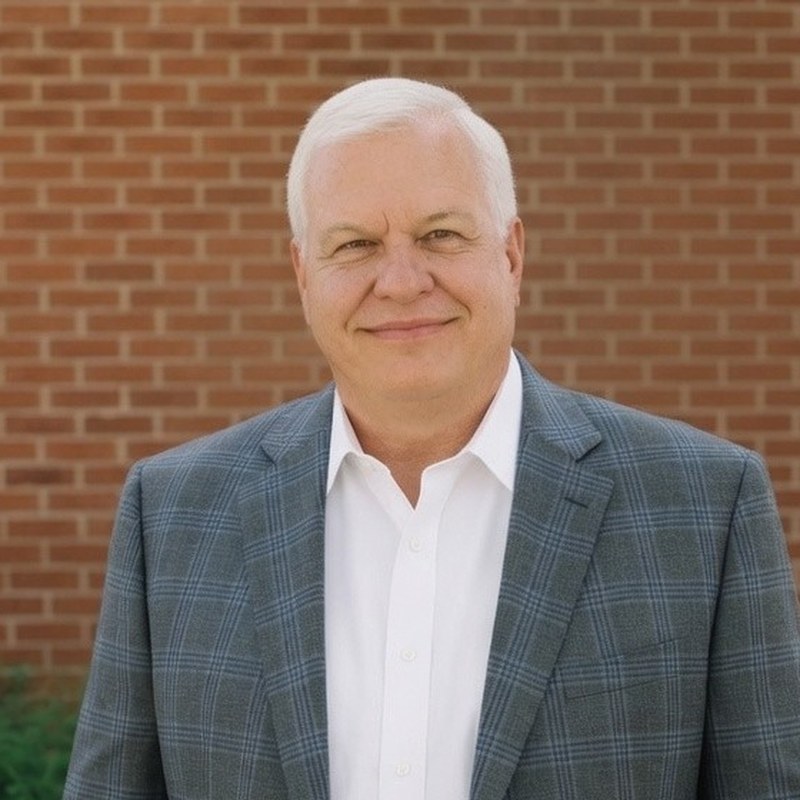
Before he ever talked mortgages, Bill spent 32 years as a pastor, stepping into the mortgage industry in 2020 — and that same heart for serving people and walking with them through life's big decisions still shapes how he works today.
Bill helps Wisconsin and Minnesota homeowners use the equity they've built to retire on their terms. As a Home Equity Planner, he believes the best reverse mortgage decision is an informed one — made calmly, with honest numbers, and ideally with the whole family in the room. No pressure, no jargon: just clear guidance and a plan that fits your life.
Let's find out if it's right for you
Get honest answers and personalized numbers — with no obligation and no pressure. Bring your family; bring your questions.